Mortgage Myths and the Self Employed
The world of mortgages is rife with myths, and for self-employed individuals, these misconceptions can be particularly…



January is when many SME leaders take stock.
Budgets reset. Priorities sharpen. Pressure that built up quietly through Q4 becomes harder to ignore. Conversations about hiring start again, often with a sense that something needs to change.
A role was stretched last year.
A key person became a bottleneck.
Delivery felt harder than it should have.
The instinctive response is familiar.
“Let’s get ahead of this and make a hire early.”
For some businesses, that works.
For many others, it quietly creates the next problem.
January decisions are rarely neutral
In smaller organisations, January hiring decisions carry disproportionate weight.
They shape how work is organised for the rest of the year. They lock in cost. They influence culture, reporting lines and leadership bandwidth. Once made, they are difficult to unwind.
Yet many of these decisions are taken before leaders have fully understood what actually caused the strain in the first place.
The result is a pattern many SME owners recognise in hindsight.
The hire looked sensible.
The pressure eased briefly.
By mid-year, the organisation felt stretched again.
The difference between filling gaps and fixing problems
Most January hiring conversations start with visible symptoms.
Someone is overloaded.
A function feels underpowered.
Growth plans need “support”.
What often goes unexamined is why those symptoms appeared.
Roles in SMEs evolve quickly. Responsibilities accumulate. Decision ownership blurs. Strong people compensate for gaps around them. Over time, the organisation adapts, but not always deliberately.
Hiring into that environment can feel like progress, but it often embeds the very issues leaders are trying to escape.
The gap was not just capacity.
It was clarity.
When good people become the workaround
One of the quiet risks in growing SMEs is reliance on a small number of capable individuals to hold things together.
They know how things really work.
They step in when decisions stall.
They absorb ambiguity so others don’t have to.
This works until it doesn’t.
By January, many founders sense this risk but struggle to articulate it. The answer feels like more help, yet adding headcount without redefining roles and decision boundaries often increases dependency rather than reducing it.
The business grows, but resilience does not.
The question worth asking before you hire
Before committing to a January hire, there is one question SME leaders rarely pause to ask:
“What problem are we actually trying to solve, and why does it exist today?”
That question shifts the conversation.
It distinguishes between:
Sometimes the right answer is recruitment.
Often, it is not the first answer.
Why this matters more in 2026
As we move further into 2026, hiring is becoming slower, more expensive and more consequential for small businesses.
Employer costs are rising.
Candidates are more selective.
Mistakes take longer to correct.
In that environment, reactive hiring creates long-term drag. It locks SMEs into structures that no longer match how the business operates or where it is heading.
January feels like a fresh start, but decisions made without clarity tend to surface later as complexity, friction and leadership overload.
A more deliberate approach to workforce decisions
SMEs that perform best over the year tend to do one thing differently early on.
They pause.
They step back from the immediate hiring conversation and examine how work is actually flowing through the organisation. Where accountability sits. Where roles have stretched. Where risk has quietly concentrated.
That clarity allows them to make fewer but better people decisions. It reduces wasted spend. It protects culture. It gives leaders confidence that they are fixing causes, not symptoms.
Recruitment still has a place.
It simply works best when it follows understanding, not pressure.
Looking ahead
January decisions shape the rest of the year more than most leaders realise.
For SMEs, the challenge is not moving quickly.
It is moving deliberately.
Those who use the early months of 2026 to understand their workforce as a system, rather than a series of vacancies, will find the rest of the year easier to navigate.
Those who don’t will likely be having the same conversations again by autumn, wondering why the pressure returned so quickly.
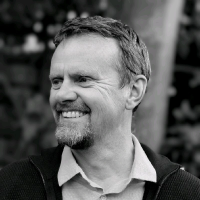
Doug Caiger works with SME founders and leadership teams across Berkshire and the Thames Valley to improve workforce clarity, role design and hiring confidence as businesses grow.
We help SME leaders design, structure, and de-risk their workforce with our purpose-built three-pillar framework for SMEs.
Post articles and opinions on Lancashire Professionals
to attract new clients and referrals. Feature in newsletters.
Join for free today and upload your articles for new contacts to read and enquire further.